A flea bath feels satisfying because you can see the result. Fleas come off in the rinse, the dog smells clean, and for a few hours the scratching eases. What a flea bath cannot do is end an infestation on its own, and understanding that difference saves Lincolnton dog owners a lot of repeated bathing and frustration.
Fleas do not live their whole lives on a dog. Most of the population at any moment is eggs, larvae, and pupae in carpet, bedding, upholstery, and shaded yard spots. A bath deals only with the adult fleas riding the dog that day. Soapy Paws Grooming offers baths and blow-outs that can clear what is on the coat, but the follow-through at home is what decides whether the fleas are back next week.
What a flea bath actually does
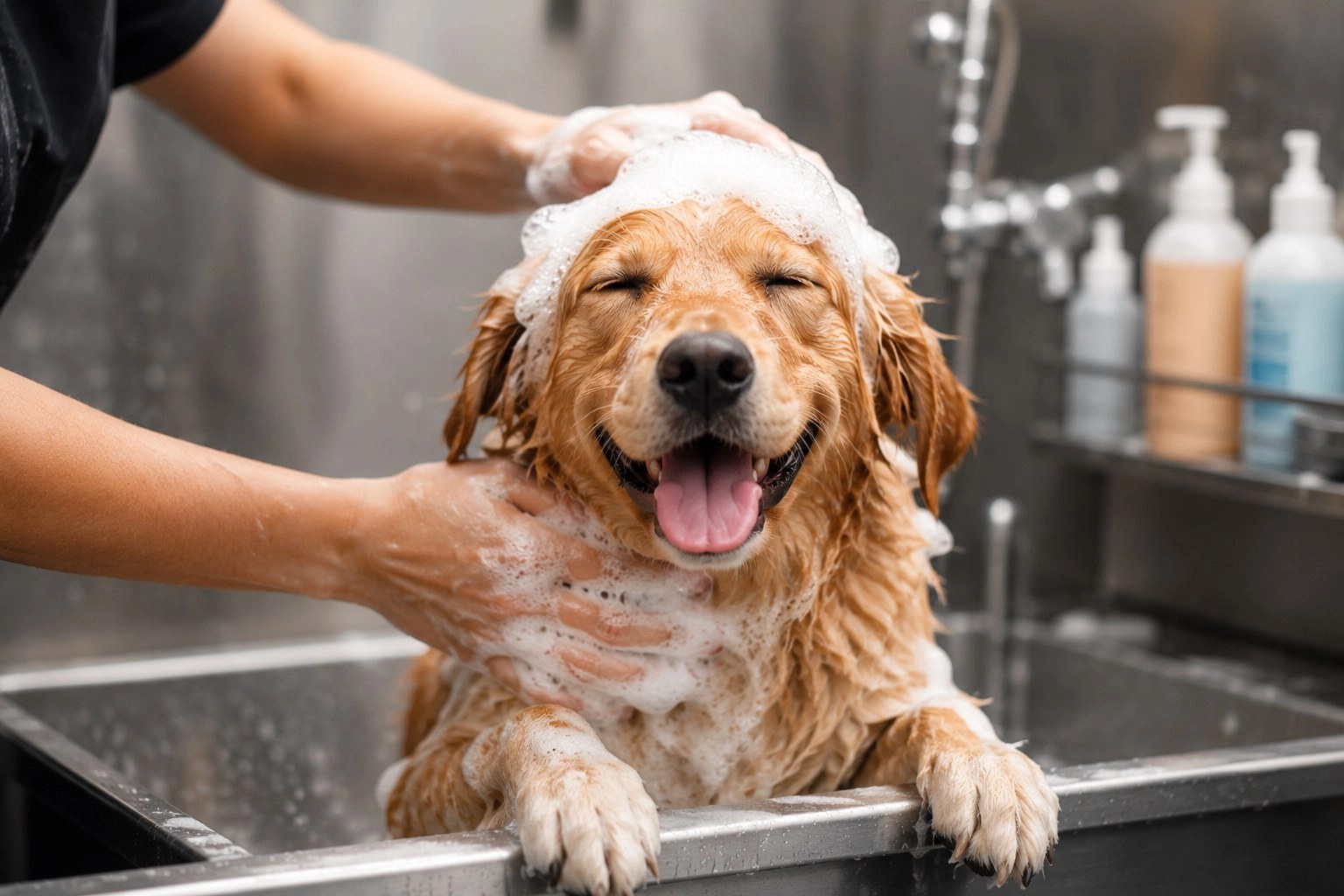
Plain soap and water are surprisingly hard on adult fleas. Lather works into the coat, loosens fleas from the skin, and drowns many of them. Flea shampoos add ingredients meant to kill adults on contact during the bath. Either way, the effect is immediate and short. Once the dog is rinsed and dry, there is little or no lasting protection left in the coat, so a flea that jumps on from the couch an hour later is unaffected.
That makes a flea bath a good first step and a poor whole plan. It is useful when a dog comes home from boarding, a dog park, or a walk through tall grass visibly carrying fleas and you want them off now. It is also useful before starting a longer-acting preventive, because you begin that product on a dog that is already clean rather than one still hosting adults.
The options, side by side
Owners usually have four tools, and they do different jobs. Mixing up which job belongs to which tool is the most common reason flea problems drag on for months through a Piedmont summer.
| Option | What it does | What it does not do | Best role |
|---|---|---|---|
| Flea bath | Kills and washes off adult fleas on the dog that day | Leaves almost no lasting protection in the coat | Immediate relief and a clean starting point |
| Monthly preventive from a vet | Kills fleas that land on the dog over the following weeks | Does not clean eggs and larvae out of the house | The backbone of control for most dogs |
| Washing bedding and vacuuming | Removes eggs and larvae from floors and fabrics | Does not protect the dog outdoors | Breaking the life cycle indoors |
| Yard attention | Reduces fleas in shaded, damp spots where dogs rest | Does not help with fleas already indoors | Cutting reinfestation from outside |
No single row wins on its own. The bath gives relief today, the preventive stops new adults from settling in, and the house work removes the next generation before it hatches.
Why the house matters more than the tub
A female flea can lay dozens of eggs a day, and those eggs fall off the dog wherever the dog sleeps and walks. They roll into carpet fibers, floor cracks, and bedding. Larvae avoid light and feed in those protected spots, then pupae can wait for weeks or months until vibration and warmth signal that an animal is nearby. That waiting stage is why fleas seem to reappear out of nowhere after a quiet spell.
Vacuuming helps more than most people expect because the vibration also coaxes pupae to emerge, putting new adults where a preventive can deal with them. Wash dog bedding in hot water weekly during an active problem, vacuum the rooms the dog uses most several times a week, and empty the vacuum outside. You do not need to treat every closet. Focus on sleeping spots, rugs, sofas, and the routes between them.
A sensible order of operations
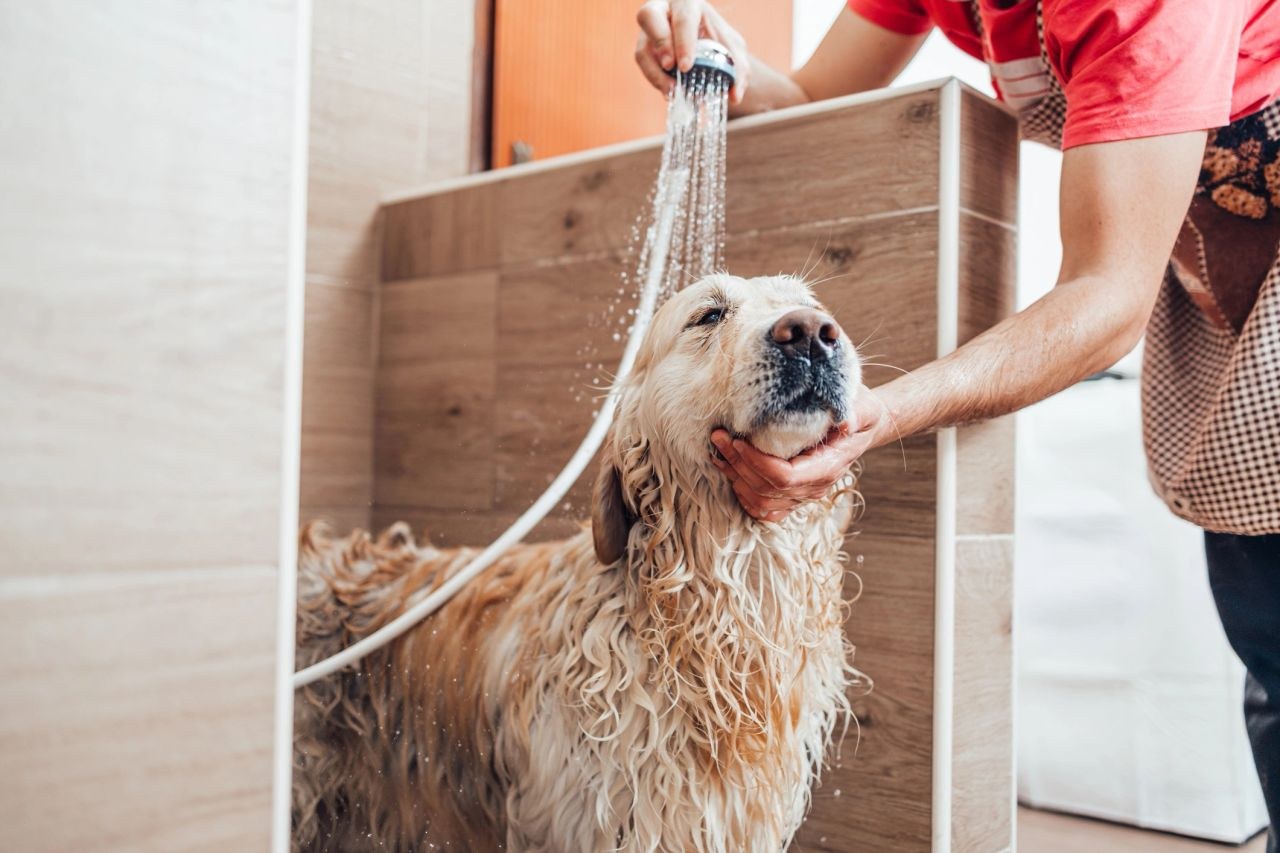
Start with the bath to clear the adults you can see. The same day, begin or restart the preventive your veterinarian recommends for your dog's age, weight, and health, and follow its schedule without gaps. Then work the house for the next several weeks: bedding washes, frequent vacuuming, and attention to shaded outdoor resting spots. Expect to still see an occasional flea for a while as pupae hatch out. That is not proof the plan failed. It is the last generation working its way out, and it shrinks if the preventive stays on schedule.
What does not help is bathing more and more often. Repeated baths dry the skin, and itchy, flaky skin gets blamed on fleas long after the flea count is down. If scratching continues without visible fleas, or you see hair loss, sores, or flea dirt concentrated at the tail base, a veterinarian should look for flea allergy, skin infection, or another cause.
When to bring in help
Call a veterinarian promptly for puppies, very small dogs, or any dog that seems weak or pale during a heavy infestation, because flea feeding can cause anemia in vulnerable animals. Ask before combining products, and never use a dog flea product on a cat. For the bathing part itself, a grooming appointment is a reasonable way to get a thorough lather, rinse, and blow-out, especially on a thick double coat where fleas hide well.
Common questions
Does a flea bath kill flea eggs on my dog?
Not reliably. A bath mainly removes adult fleas and loose debris from the coat. The eggs that matter are mostly in bedding and carpet, which is why house cleaning is part of the plan.
How long does a flea bath protect my dog?
Essentially for that day. Once the coat is rinsed and dry there is little lasting effect, so a dog can pick up new fleas from the house or yard right away.
Can I just bathe my dog every week instead of using a preventive?
Weekly bathing alone rarely ends an infestation, and over-bathing can dry the skin. Most dogs do better with a bath for immediate relief plus a preventive recommended by a veterinarian.
Photos in this guide are representative stock images.
← All guides from Soapy Paws Grooming← Back to Soapy Paws Grooming