Dog nails keep growing, floors keep clicking, and owners keep hearing confident advice that does not quite hold up. Nail care is a small job with a specific anatomy lesson inside it: the nail is not dead all the way through, and where the living part ends decides how short you can safely trim.
At Soapy Paws Grooming in Lincolnton, nail care is a routine part of grooming, but the myths below follow dogs home between appointments. Sorting them out makes home trims calmer and helps you know when a groomer or veterinarian is the better set of hands.
Inside the nail: the quick
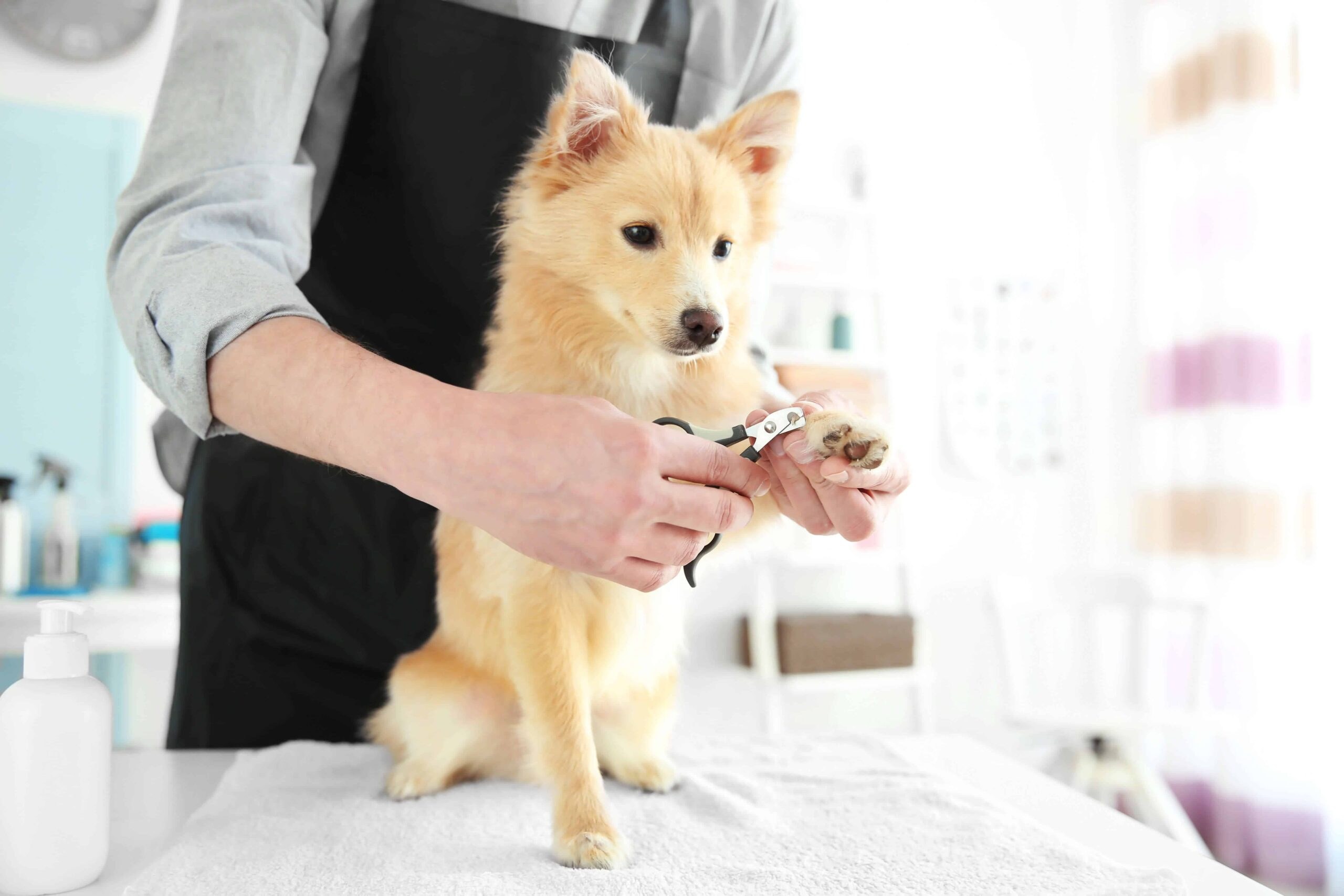
Each nail contains the quick, living tissue with blood vessels and nerves, surrounded by the hard shell you trim. On white nails the quick shows as a pink core, so you can see where to stop. On black nails it is hidden, which is why the standard approach is to shave off thin slices and watch the cut surface. As you get close to the quick, the center of the nail changes from dry and flaky to a softer, darker oval. That change is your stop sign.
The quick also explains why neglected nails are a long project. When nails stay long, the quick tends to extend farther into the nail. Trimming only the tip, a little at a time on a regular schedule, encourages the quick to recede, so nails can get gradually shorter over weeks. There is no safe shortcut that removes a lot of length at once.
Myths and facts, sorted
| Claim | Verdict | Why |
|---|---|---|
| Walking on pavement keeps nails short enough | It depends | Hard surfaces wear the front nails of active dogs, but dewclaws never touch the ground and many dogs still need trims. |
| You can cut a black nail to the same length as a white one by eye | False | The quick is hidden in black nails. Thin slices and watching the cut surface are the reliable method. |
| Cutting the quick is dangerous | Mostly false | It hurts and bleeds, and styptic powder usually stops it, but it is not an emergency for a healthy dog. Repeated nicks do make dogs fear trims. |
| Grinding is always better than clipping | It depends | Grinders give fine control and smooth edges but add noise, vibration, and heat if held in one spot. The best tool is the one the dog tolerates. |
| Long nails are only a cosmetic problem | False | Overgrown nails change how the foot lands, can splay toes, and can curl into the pad, especially dewclaws. |
| Puppies do not need nail trims | False | Puppy nails are sharp, grow fast, and early gentle trims teach the dog that handling its feet is normal. |
How often is often enough
Most dogs need a trim every three to four weeks, but the range is wide. Indoor dogs on carpet and grass wear almost nothing off, while dogs that walk daily on pavement wear more. A practical test is sound and stance: nails clicking on hard floors, or nails visibly pushing the toes up when the dog stands, mean you are past due. Check dewclaws on the same schedule, since they wear the least and curl the most.
Senior dogs deserve extra attention. They walk less, their nails can become thicker and more brittle, and arthritis makes the altered stance from long nails more uncomfortable. For them, shorter and more frequent trims are kinder than occasional big ones.
Clipping versus grinding at home
Clippers are fast and quiet. Scissor-style clippers suit larger nails, guillotine styles suit smaller ones, and dull blades crush rather than cut, so replace or sharpen them. Work in good light, hold the paw firmly but gently, and trim small amounts. Keep styptic powder within reach before you start, not in another room.
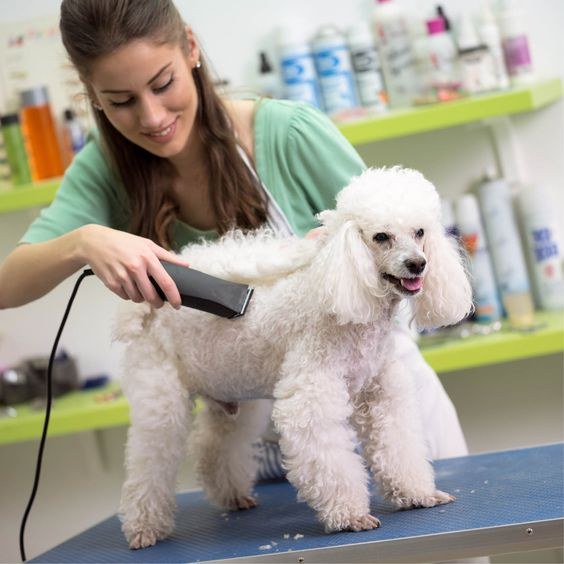
A rotary grinder files the nail down and leaves a smooth edge, which many owners prefer for dogs that scratch people or snag bedding. Introduce it gradually: let the dog hear it, reward calm behavior, and touch one nail briefly before asking for a whole foot. Keep the tool moving and check for heat. Dogs with long hair need the hair held back so it cannot wrap around the spinning head.
When to hand the job over
Some dogs panic despite patient practice, and forcing the issue risks a nick and a lasting fear of the process. Groomers trim nails daily and have the restraint help and practice to do it quickly. A veterinarian is the right choice for a nail that has curled into the pad, a broken or torn nail, a nail bed that looks swollen or discolored, or bleeding that does not stop. Those are medical problems wearing a grooming costume.
Common questions
How can I tell where the quick is on black nails?
Trim thin slices and watch the cut face. When the center turns from dry gray or white to a soft dark oval, stop. That spot is just short of the quick.
What should I do if I cut the quick?
Stay calm, press styptic powder into the nail tip with gentle pressure, and keep the dog quiet for a few minutes. If bleeding continues or the nail looks torn, call a veterinarian.
How often do most dogs need a nail trim?
Every three to four weeks is typical, sooner for indoor and senior dogs. Clicking on hard floors is a reliable sign the nails are due.
Photos in this guide are representative stock images.
← All guides from Soapy Paws Grooming← Back to Soapy Paws Grooming