The label on a dog food bag is part nutrition panel, part marketing, and part legal document. When a dog in Lincolnton is itchy, gaining weight, or leaving food in the bowl, owners often blame the food and switch brands three times before reading what they already have. A slower pass over the bag you own usually tells you more than a new bag will.
This is a troubleshooting walk-through. Start with the symptom, check the label facts that could explain it, and change one thing at a time. Food is only one possible cause of any symptom, and a veterinarian is the right call for anything persistent, but the label is a fair place to start.
Step one: find the parts that are regulated
Three parts of the bag carry standardized information. The ingredient list is ordered by weight before cooking, so the first few items make up most of the food. The guaranteed analysis gives minimum protein and fat and maximum fiber and moisture. The feeding guide and calorie statement tell you how much energy is in a cup or a kilogram. A statement about nutritional adequacy says whether the food is complete and balanced for a life stage such as adult maintenance or growth.
The front of the bag is the least regulated part. Words like natural, premium, and gourmet have limited or loose definitions, and pictures of salmon and vegetables do not tell you how much of either is inside. Read the back first.
- Name the symptom clearly. Weight gain, loose stool, itching, dull coat, and low interest in food point in different directions. Write down when it started.
- Check the life stage. Confirm the adequacy statement matches your dog. Puppy food fed to a sedentary adult, for example, is richer than that dog needs.
- Do the feeding math. Find calories per cup, measure what you actually pour, and add treats. Many dogs are simply fed more than the guide suggests for their ideal weight.
- Read the first five ingredients. Look for a named animal protein such as chicken or beef rather than a vague term, and note any ingredient your veterinarian has flagged for your dog.
- Compare protein, fat, and fiber. Use the guaranteed analysis to compare foods on a similar basis, remembering that wet food is mostly water so its percentages look lower.
- Change one variable and wait. Switch foods gradually over about a week, then give the new routine a few weeks before judging it, unless symptoms get worse.
Symptom: the dog is gaining weight
Start with calories, not ingredients. Find the calorie statement, usually listed as kilocalories per cup and per kilogram. Then measure a level cup instead of a scoop or a coffee mug, because unmeasured pouring is the most common cause of slow weight gain. Count treats, chews, and table scraps honestly; a few daily extras can equal a meal for a small dog. If the measured amount matches the guide for your dog's ideal weight and the weight still climbs, that is a veterinarian conversation about activity, thyroid, and other causes.
Symptom: loose stool after a switch
Fast changes upset many dogs. A gradual transition mixing increasing amounts of the new food over seven to ten days prevents most of it. Check fat content too, since a much richer food can loosen stool even when introduced slowly. If loose stool lasts more than a couple of days, includes blood, or comes with vomiting or low energy, stop troubleshooting the label and call a veterinarian.
Symptom: itching and a dull coat
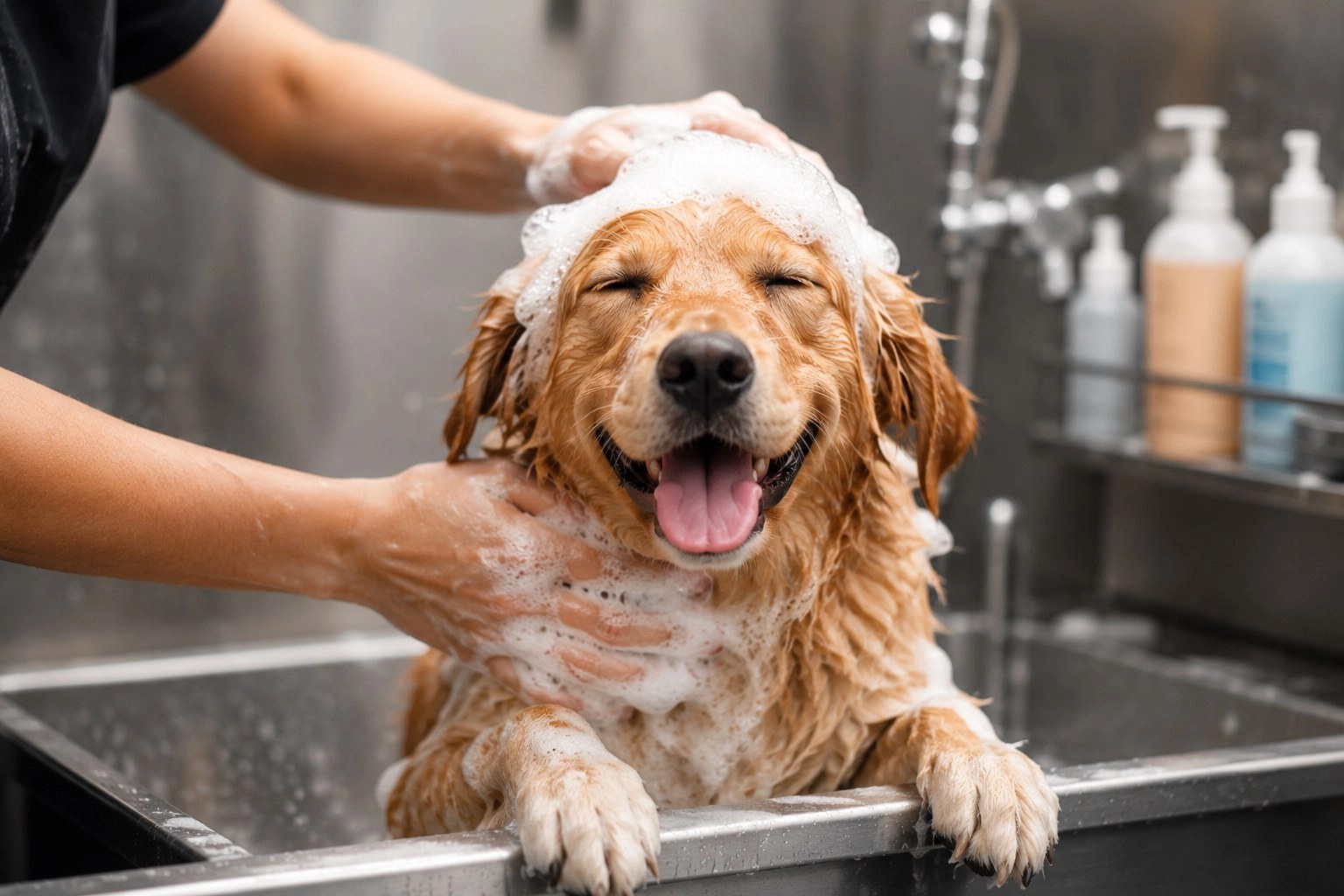
Food allergies in dogs are real but less common than environmental causes, and in the Piedmont that includes pollen season, which is long and heavy. Before assuming the food is at fault, note the timing. Itching that flares in spring and fall and settles in winter points outdoors more than it points at the bag. Groomers at places like Soapy Paws Grooming often notice flaky skin and dull coats during a bath or de-shedding treatment, and that observation is worth passing to your veterinarian rather than treating as a diagnosis.
What the guaranteed analysis does not tell you
The analysis gives minimums and maximums, not exact amounts, and it does not measure ingredient quality or digestibility. Two foods with identical percentages can perform differently in the same dog. That is why your dog's weight, stool, coat, and energy over several weeks are better evidence than a label contest. Keep notes when you change foods, including the exact product name, because memory blurs after the second bag.
Store the bag or photograph the label until the food is gone. If a problem does develop, that label, the lot number, and the date you opened it are exactly what a veterinarian or the manufacturer will ask for.
Common questions
Is the first ingredient the most important thing on the label?
It matters, but it is not the whole story. Ingredients are listed by weight before cooking, so look at the first several together and check the adequacy statement and calorie count too.
Should I avoid any food with by-products or grains?
Not automatically. Named by-products can be nutritious organ meats, and grain-free is not inherently better. Judge the complete food and how your dog does on it, ideally with your veterinarian's input.
How fast should I switch to a new food?
Gradually over about a week for most dogs, mixing more new food and less old food each day. A sudden switch is a common cause of loose stool.
Photos in this guide are representative stock images.
← All guides from Soapy Paws Grooming← Back to Soapy Paws Grooming